
Your shopping cart doesn't have any products yet!
Application of Venting Membrane in Liquid Packaging: Technology, Advantages, and Solutions
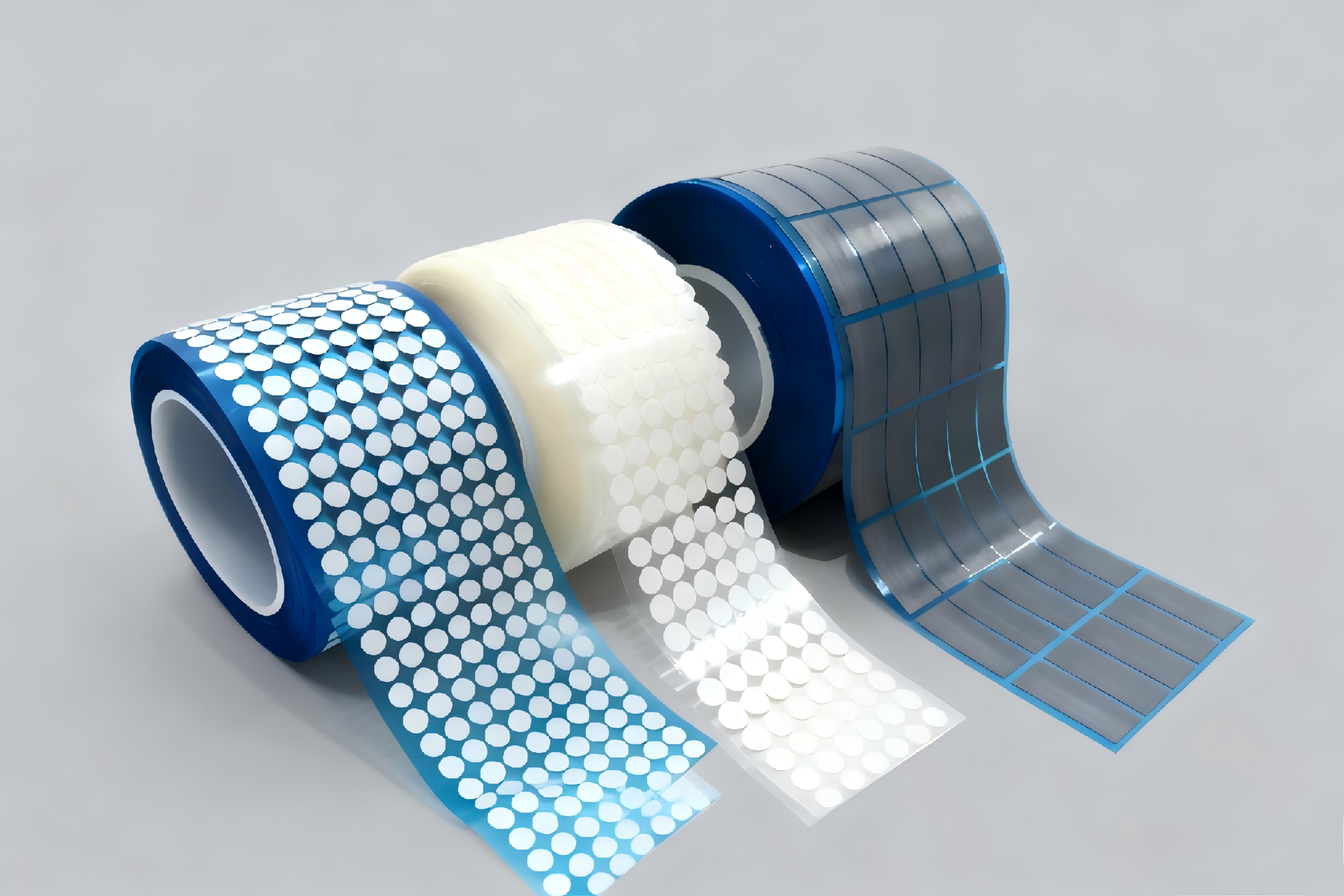
Venting membranes (typically referring to ePTFE - expanded polytetrafluoroethylene membranes) represent a revolutionary materials technology that provides an elegant solution to the persistent challenge of pressure equilibrium in liquid packaging. Its core principle is "Allows Air to Pass, Blocks Liquids" – making it a critical component for ensuring the safety, integrity, and aesthetics of liquid packaging.
I. Core Working Principle
Venting membranes contain billions of microscopic pores per square inch. These pores:
Allow gas molecules to pass freely: This balances the pressure between the inside of the packaging and the external environment. Effectively block liquids and contaminants: Due to surface tension and the extremely small pore size, liquid water, oils, other fluids, as well as dust, bacteria, and other microorganisms cannot penetrate.
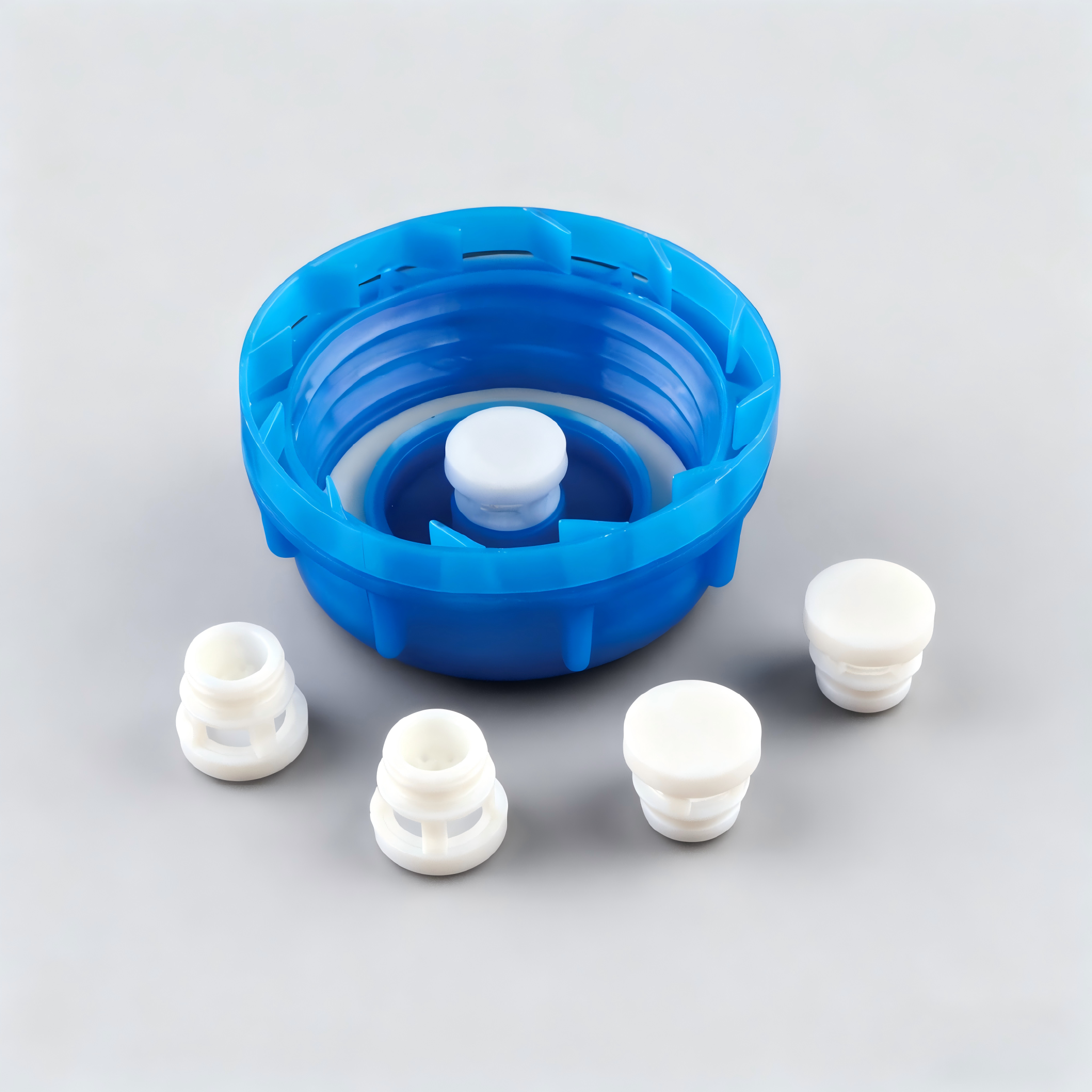
In liquid packaging, this principle is integrated into bottle caps or container walls in the form of a Vent Plug / Vent Valve.
II. Key Applications and Value in Liquid Packaging
1. Preventing Container Deformation and Damage
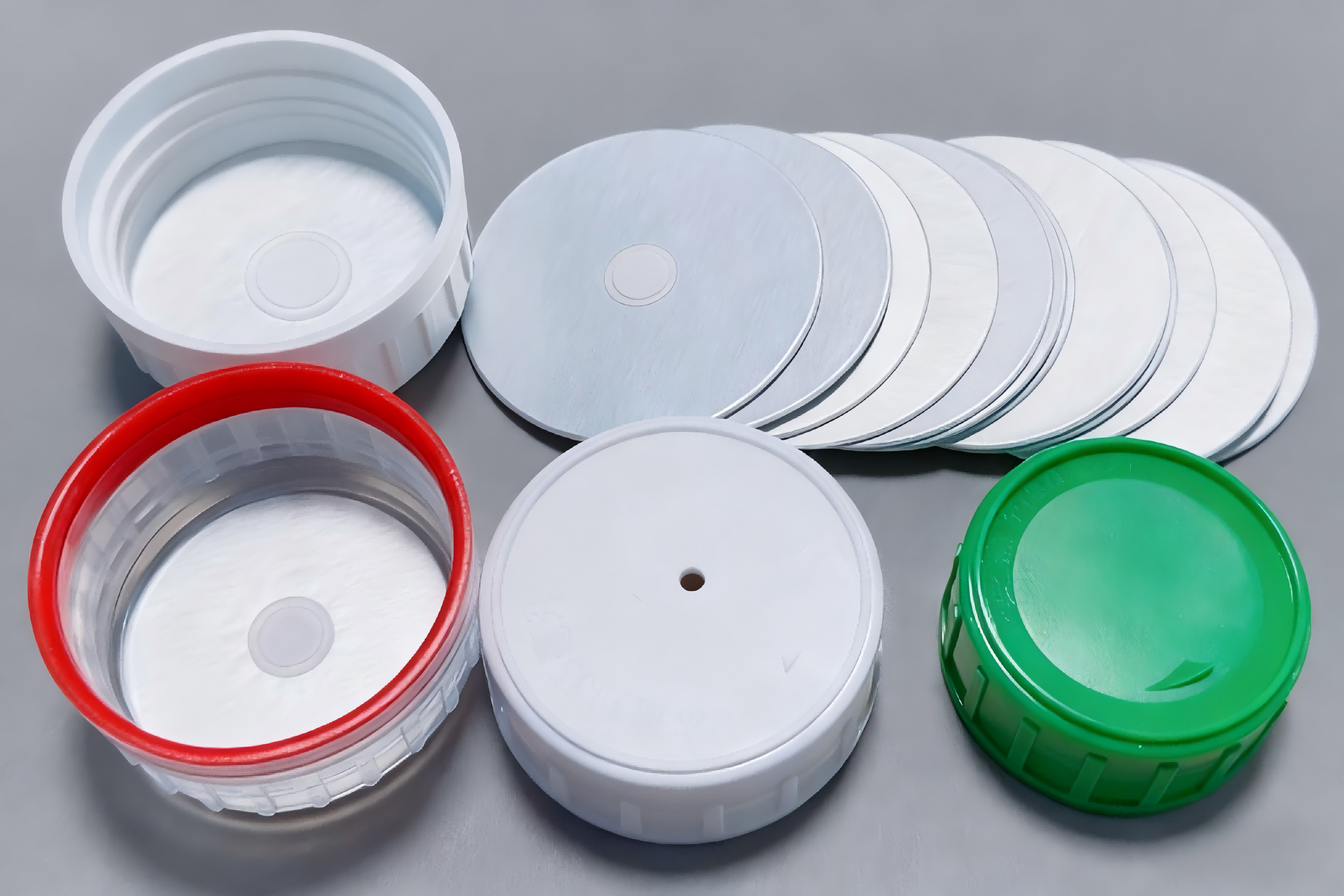
Problem: Temperature changes during filling (e.g., hot-fill), transportation (air freight, altitude changes), or storage (day/night cycles) cause internal air to expand or contract, creating positive or negative pressure. Venting Membrane Solution: By equalizing pressure, it effectively prevents containers from bulging, collapsing, or permanent deformation, maintaining an upright and professional appearance and enhancing brand image.
2. Ensuring Safe Filling and Opening
Problem: Positive pressure generated during hot-filling can cause contents to spray upon opening; negative pressure formed during cooling creates a "vacuum lock," making it difficult for consumers to unscrew the cap. Venting Membrane Solution: Releases pressure immediately after filling to prevent spraying; equalizes pressure before opening to eliminate the vacuum lock, ensuring easy and safe cap removal.
3. Maintaining Product Purity and Potency
Problem: External contaminants (moisture, dust, microbes) can enter through ordinary vents, contaminating the product—this is crucial for chemicals, pharmaceuticals, and high-end foods. Venting Membrane Solution: Its hydrophobic, oleophobic, and antimicrobial properties create a sterile barrier while "breathing," protecting the contents from contamination and ensuring product purity and potency throughout its shelf life.
4. Handling Volatile Products
Problem: Some liquids (e.g., solvents, concentrated pesticides, certain cleaners) slowly release gases, causing a continuous build-up of pressure inside the packaging. Venting Membrane Solution: Provides continuous, passive venting of these volatile gases, avoiding potential risks of leakage or container rupture due to pressure accumulation.
III. Key Application Industries and Scenarios
| Industry | Specific Applications | Challenges Solved |
|---|---|---|
| Household & Industrial Chemicals | Bleach, detergents, cleaning solutions, engine oil, lubricant packaging | Prevents drum bulging and leakage caused by volatile components or temperature changes; ensures transport safety. |
| Agrochemicals | Pesticide, herbicide, fertilizer concentrate packaging | Balances pressure fluctuations from vigorous chemical reactions or temperature swings; prevents build-up of toxic vapors and container rupture. |
| Food & Beverage | Sauces, cooking oil, juice, honey, hot-fill beverage bottles | Prevents container collapse after hot-filling and cooling; avoids bulging from micro gas generation due to fermentation. |
| Personal Care & Cosmetics | Shampoo, body wash, lotions, high-end skincare | Maintains the aesthetic shape of the bottle; protects high-value contents from contamination, ensuring formula stability. |
| Pharmaceutical & Veterinary | Disinfectants, ear drops, veterinary vaccines, medicinal solution packaging | Maintains a sterile internal environment while allowing pressure equalization, meeting strict regulatory requirements. |
IV. Key Parameters for Selecting a Venting Membrane Solution
When selecting an integrated venting membrane component for liquid packaging, consider the following factors:
Airflow Rate: Calculate the required ventilation rate based on package volume and the maximum expected pressure differential. Protection Rating: Often IP67 or higher is required to withstand washing, immersion, and prevent dust ingress. Chemical Compatibility: The membrane and housing material must resist corrosion from the chemical composition of the packaged liquid. Hydrophobic & Oleophobic Properties: Ensures effective blocking of both water-based and oil-based liquids. Installation Method: Choose screw-in, snap-in, or adhesive vent plugs/valves based on the packaging design. Size: Select a compact size suitable for the packaging design while meeting performance requirements.
Summary
Venting membrane technology has evolved from an optional feature to an indispensable core component of modern high-performance liquid packaging. It skillfully combines principles of physics with materials science to provide crucial protection for liquid products in the global supply chain, ensuring that every step from the production line to the consumer's hands is safe, reliable, and aesthetically pleasing.